Blog·31 JULY 2026·8 MIN
What Makes Timber Therapy Different?
The workshop makes Timber Therapy look different, but the timber is not the therapy. It is an optional way to create a practical, less clinical environment where professional work can happen.
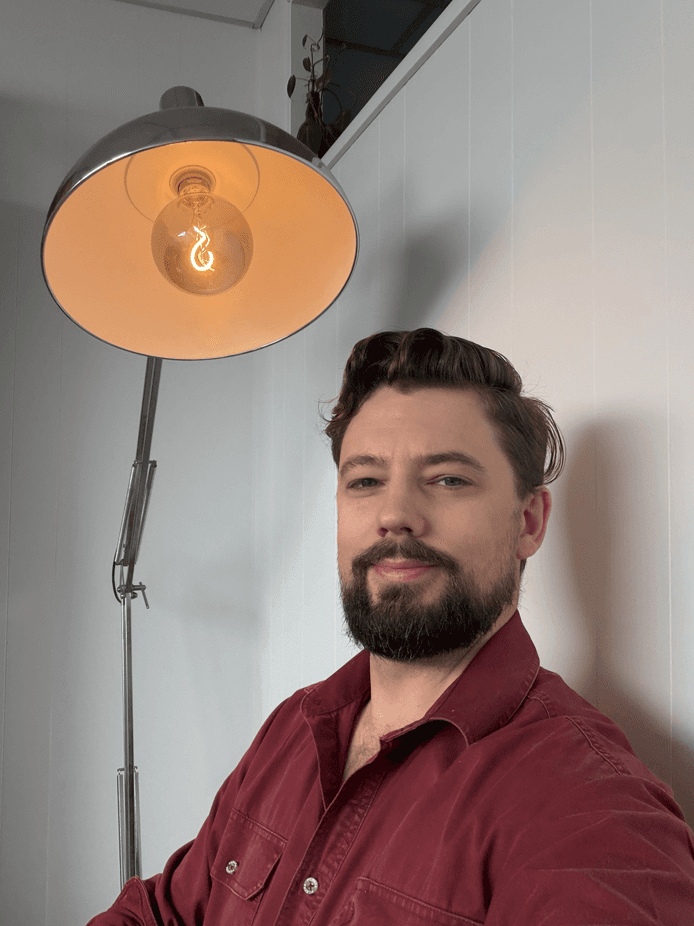
Matthew Lewin
Accredited Social Worker
Jump to section
Timber Therapy looks different from a conventional counselling practice.
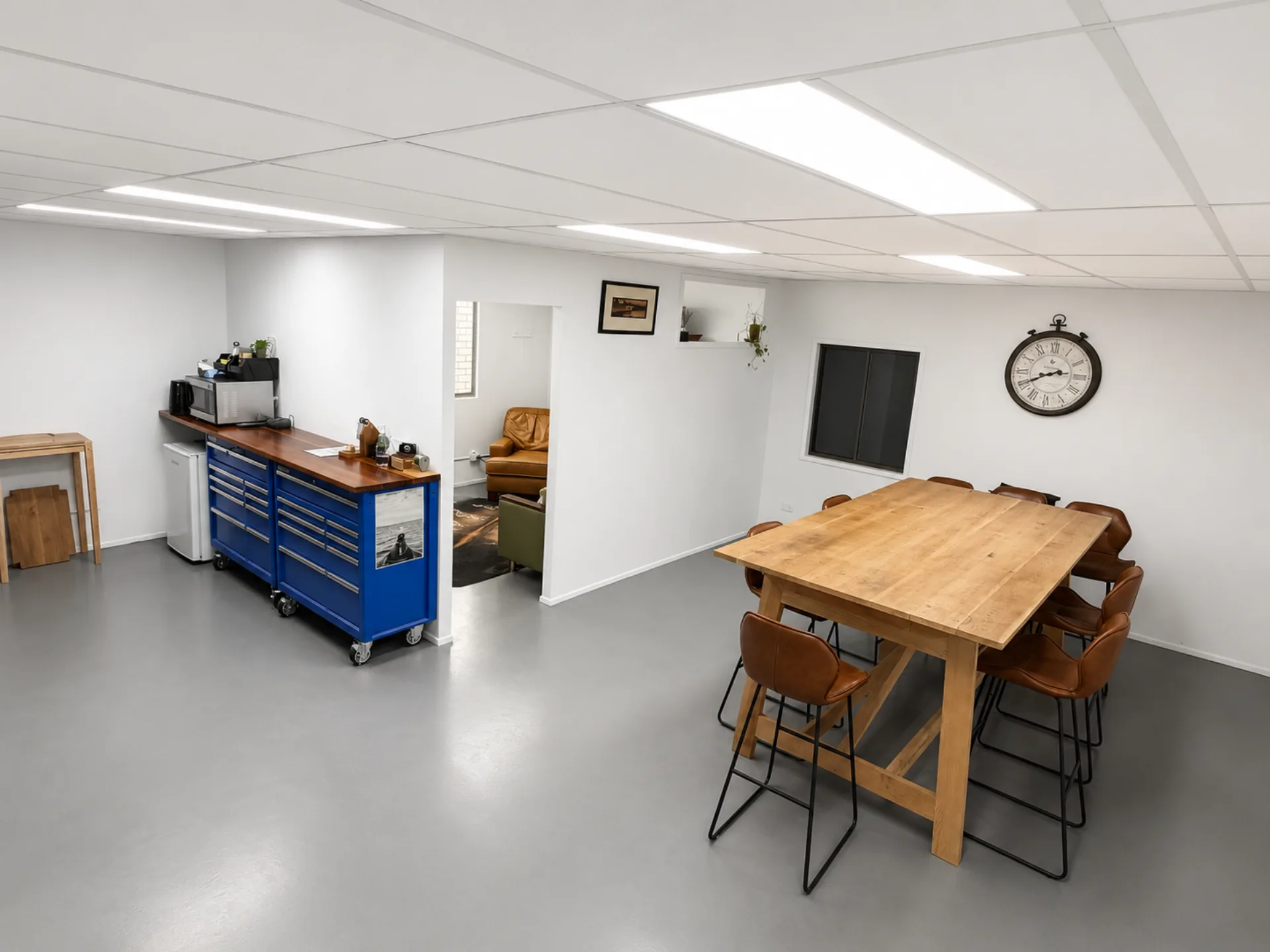
The sessions take place in a private workshop and counselling space in Stafford. There are hand tools, timber projects and the option, where appropriate, to talk while working on something simple.
That difference can make Timber Therapy easier to remember.
But the workshop is not the main point.
The purpose is still professional therapy: helping men understand what is driving the pressure, recognise the patterns affecting their work and relationships, and build a way forward that works in daily life.
Designed with men in mind, without reducing men to stereotypes
Timber Therapy was created because many men do not feel that conventional mental health marketing speaks to them.
That does not mean men are incapable of talking, only care about tools or need every conversation disguised as an activity.
Men are different from one another. Some arrive ready to speak. Some need time. Some want a clear structure and practical tools. Others need space to understand something they have never said out loud.
A service for men should make room for that difference rather than insisting there is one correct way to be a man or one correct way to do therapy.
A private workshop and a proper counselling space
The Timber Therapy setting offers two ways to engage.
You can sit in the counselling space on the comfy couches and focus entirely on the conversation. This suits men who prefer a conventional session without the feel of a large medical clinic.
Where it supports the work, you may also have the option of using supervised hand tools to complete a simple timber project.
The activity can reduce sustained eye contact, create natural pauses and give the conversation somewhere to rest.
You do not need woodworking experience. You are not being judged on the quality of the project, and you do not have to use the workshop option at all.
The timber is not the therapy
This distinction matters.
Woodworking can be enjoyable and grounding. Making something tangible may create satisfaction or help a person settle into the room.
However, completing a timber project does not automatically change the argument you keep having, the pressure you carry home from work or the way you shut down when you feel criticised.
The therapeutic work still involves understanding what is happening and practising a different response.
Practical does not mean simplistic
Men often say they want practical therapy.
That does not mean every problem can be solved with three quick tips.
Some patterns have been reinforced for years. Relationship damage may need repair. Grief, shame, injury, trauma or loss of identity may require time and careful work.
Practical therapy means the conversation remains connected to life outside the room.
You should be able to understand:
- What you are working on.
- Why the pattern keeps repeating.
- What you can practise between sessions.
- How progress will be noticed.
- What remains outside your control.
- What responsibility you need to take.
- What kind of man, partner or father you are trying to become.
Insight matters. It becomes more useful when it changes the next conversation, decision or response.
Direct, but not harsh
Good therapy should be respectful, but respect does not mean avoiding difficult truths.
There may be times when a belief needs to be challenged, when the impact of your behaviour needs to be named or when the story you have been telling yourself no longer stands up.
The goal is not to shame you or win an argument.
The goal is to help you see the situation clearly enough to choose what happens next.
Timber Therapy aims to be direct without being dismissive and supportive without pretending responsibility belongs somewhere else.
Built from professional and practical experience
Matthew Lewin is an Accredited Social Worker and the founder of Timber Therapy.
Before working as a social worker and therapist, Matthew worked as a tradesman.
That background does not replace professional training. It contributes to an understanding of practical work environments, physical identity, job-site culture and the way many men communicate while doing something alongside another person.
The therapeutic approach draws on evidence-based frameworks and experience working with men, couples, fathers and families.
The focus is broader than symptoms
A man may book because of stress, anger, anxiety or low mood.
The work may also involve the parts of life those symptoms are affecting:
- How you communicate with your partner.
- How available you are to your children.
- What work means to your identity.
- How you respond to injury or reduced physical capacity.
- What happens when you feel disrespected or powerless.
- Whether your coping strategies are helping or creating another problem.
- What values you want your decisions to reflect.
The aim is not simply to feel better for an hour. It is to function more deliberately in the relationships and responsibilities that matter.
Men and couples
Timber Therapy works with individual men and couples.
Individual therapy may focus on pressure, anger, identity, fatherhood, work, injury, mood or relationship patterns.
Couples therapy focuses on the relationship itself: communication, conflict, trust, emotional connection and the patterns both people create together.
These are different services. A man may attend individually, a couple may attend together, or the most appropriate starting point may be discussed before booking.
Face-to-face in Stafford and online across Australia
Face-to-face sessions are available from the private workshop and counselling space in Stafford on Brisbane’s northside.
Privately funded online sessions are also available to men throughout Australia.
The hands-on workshop option is specific to face-to-face work, but the online sessions use the same practical focus: understand the pressure, identify the pattern and build a response that works outside therapy.
What Timber Therapy is not
Timber Therapy is not:
- A woodworking class with a casual conversation attached.
- A place where every man is expected to use tools.
- A promise of instant change.
- A service built on the belief that men should avoid emotion.
- A substitute for emergency, psychiatric or specialised services when those are required.
- Endless talking without a clear direction.
It is a professional therapy service delivered in a setting designed to feel practical, private and human.
What the first session looks like
You do not need to decide in advance whether you want to use the workshop.
The first session begins with understanding what led you to book, what has been happening and what you would like to change.
You can ask questions about the approach, confidentiality and whether the hands-on option is appropriate.
You do not need a diagnosis or a polished explanation.
Something as simple as “I am not handling things the way I want to” is enough to begin.
Men’s therapy in Stafford
Timber Therapy provides practical men’s therapy from a private workshop and counselling space in Stafford, Brisbane North.
The setting is different because some men engage better when therapy feels less clinical.
The standard remains the same: professional, purposeful work focused on helping you think clearer, respond better and grow.
Book your first session at Timber Therapy. Not sure whether the setting or approach will suit you? Start with a no-cost 15-minute call with Matt.