Blog·28 JULY 2026·7 MIN
Counselling for Fathers Carrying Too Much
A father can be highly responsible and increasingly disconnected at the same time. Counselling can help dads carry the load without disappearing inside it.
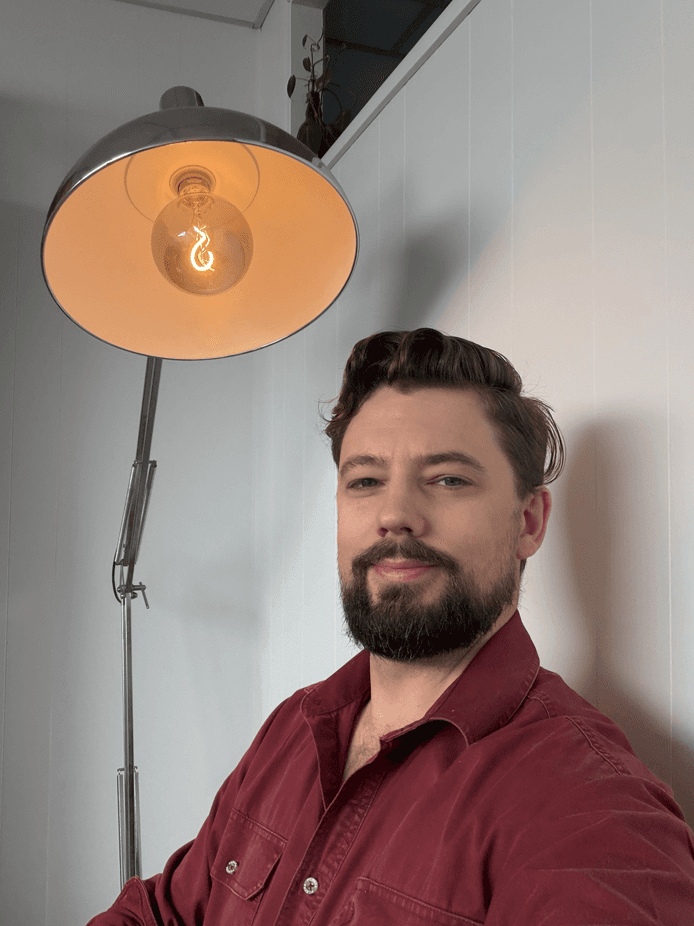
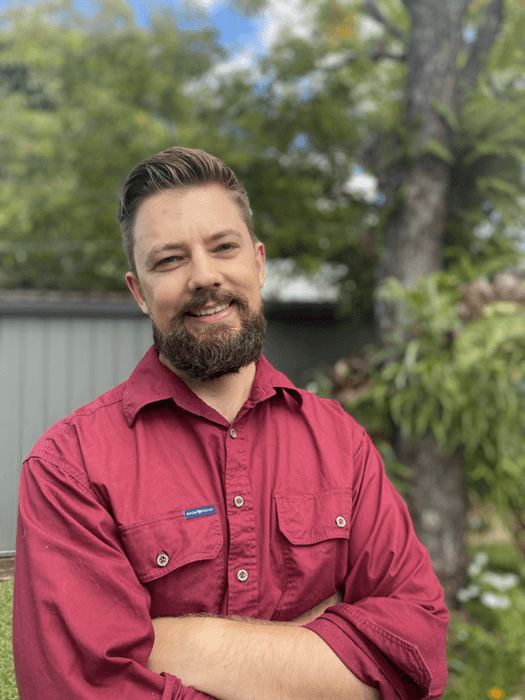
Matthew Lewin
Accredited Social Worker
Jump to section
A lot of fathers carry their family in practical ways.
They work, organise, repair, drive, pay, lift, plan and respond when something goes wrong. They try to be steady because children need steadiness and because someone has to keep the day moving.
The problem is that responsibility can keep expanding while the father's capacity stays the same.
Work becomes more demanding. The children need different things at different ages. The relationship needs attention. Money is tight. Sleep is interrupted. There is always another job that could be done.
A father may be carrying too much long before he says he is struggling. Counselling for fathers can help before the load becomes the only story.
The pressure is often hidden inside responsibility
Many fathers do not describe themselves as overwhelmed. They describe a list of tasks.
Work is busy. One of the kids is having trouble at school. My partner is exhausted. The house needs work. I just need to get through the next few weeks.
The list sounds practical, but it may be carrying fear, guilt, resentment and a belief that there is no room for the father to need anything.
He may think that naming the pressure would only add another problem for his partner to manage.
So he says nothing and tries harder.
Carrying more does not always make you more available
A father can be highly responsible and increasingly disconnected at the same time.
He may provide financially, complete every task and still be emotionally absent from family life. He is physically home but constantly thinking about work, the next expense or the job that has not been finished.
When a child needs patience or a partner wants to talk, it can feel like one more demand.
The father may respond with irritation, advice or silence because he has no spare capacity to stay present.
This does not mean he does not love his family. It means responsibility has consumed the space where relationship is meant to happen.
Resentment can grow when effort feels invisible
Fathers sometimes carry a quiet belief that no one sees what they are doing.
They may notice every sacrifice they make and every task they complete, while mainly hearing about what they missed.
That can create resentment:
- Nothing I do is enough.
- Everyone needs something from me.
- I am only valued for what I provide.
- I do not get to be tired.
- If I stop, everything will fall over.
The resentment may come out as defensiveness, withdrawal or anger. The family then experiences the father as unavailable or unsafe, which increases conflict and confirms his belief that no one understands him.
Therapy can help interrupt that cycle without pretending the responsibilities are imaginary.
Your partner cannot be your only place to unload
A strong relationship should include mutual support, but a partner cannot carry every thought, fear and frustration while also managing her own load.
When a man has no other place to think, every difficult feeling may enter the relationship. His partner becomes the person who must listen, reassure, motivate, organise and regulate him.
That does not create closeness. It can create another form of responsibility for her.
Therapy gives the father a separate professional space to organise what is happening, take responsibility for his responses and decide what needs to be brought back into the relationship.
Children need more than a provider
Providing matters. Children need food, safety, housing, structure and adults who follow through.
They also need a father who can notice them, enjoy them, repair after conflict and remain interested in what is happening in their world.
That does not require perfect patience or unlimited time.
It requires enough capacity to turn towards the child regularly.
A ten-minute conversation with full attention can matter more than an hour spent in the same room while mentally elsewhere.
Strong fathers can name when they are near the edge
Strength is not pretending that your capacity has no limit.
A father who can say, “I am overloaded and becoming reactive” has more opportunity to protect his family than a father who insists he is fine until he explodes.
Naming the pressure might involve telling your partner:
I am carrying more than I can manage well. I do not need you to fix it, but I need us to look at what can change.
It might involve asking family for practical help, reducing a commitment, speaking with your employer or booking a therapy session before the situation becomes a crisis.
What counselling for fathers can focus on
Counselling does not need to become a broad analysis of everything that has ever happened.
It can begin with the pressure you are carrying now.
The work may involve:
- Working out which responsibilities are essential and which have become automatic.
- Recognising the signs that you are becoming flooded or unavailable.
- Learning how to take a break without abandoning the conversation.
- Communicating needs without blame.
- Rebuilding connection with your partner.
- Becoming more deliberate about time with your children.
- Addressing shame around work, money, injury or perceived failure.
- Creating support outside the couple relationship.
- Reconnecting with the kind of father you want to be.
You are allowed to be a person inside the role
Fatherhood is an important responsibility. It is not meant to erase the man carrying it.
You can love your children and still find parenting exhausting. You can be grateful for your family and still feel trapped at times. You can be committed to providing and still need help working out how to carry the load differently.
Honesty about the pressure does not make you less of a father.
It creates the possibility of becoming more available, more deliberate and more connected.
Counselling for fathers in Brisbane North
Timber Therapy provides practical face-to-face counselling for fathers from a private workshop and counselling space in Stafford on Brisbane’s northside.
Sessions can focus on fatherhood, stress, anger, relationships, work pressure, identity and the patterns that are affecting family life.
You do not need to wait until your partner gives you an ultimatum or your children start avoiding you.
You can begin when you recognise that the load is changing the father you are becoming.
Book your first session in Stafford. Not sure where to begin? Start with a no-cost 15-minute call with Matt.