Blog·22 JULY 2026·9 MIN
Why Some Men Find It Easier to Talk While Doing Something
Not every man finds it easy to sit in a chair, maintain eye contact and explain what is going on inside his head. Some men find it easier to talk when they are also doing something practical.
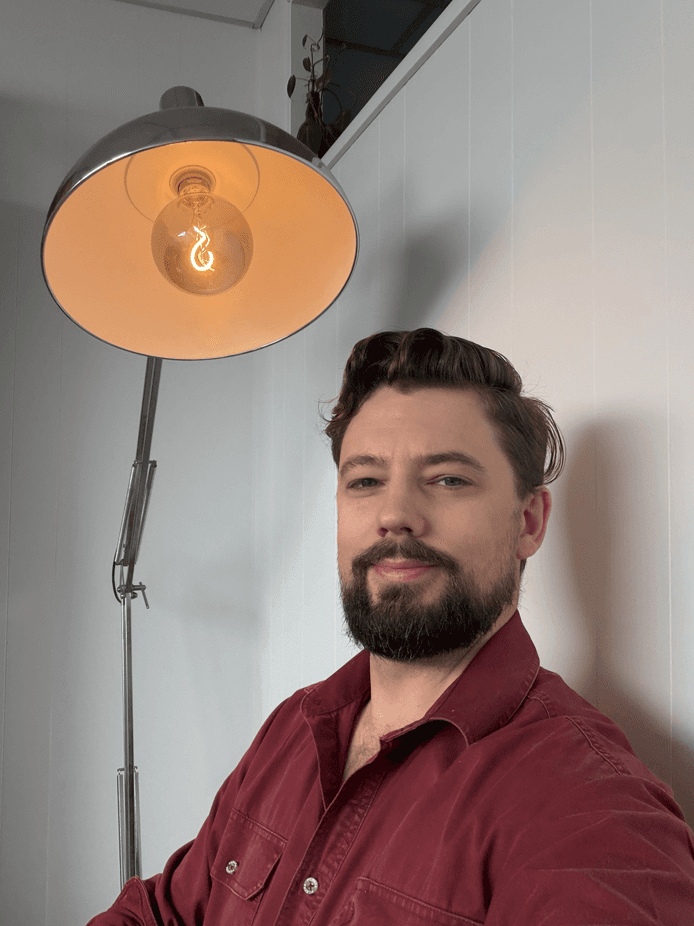
Matthew Lewin
Accredited Social Worker
Jump to section
Not every man finds it easy to sit in a chair, maintain eye contact and explain what is going on inside his head.
That does not necessarily mean he is avoiding the conversation.
Sometimes the setting itself makes the conversation harder.
A traditional therapy room can feel formal. You sit opposite someone you have only just met, and the attention is entirely on you. There may be an expectation that you will immediately identify how you feel, explain why you feel that way and talk openly about parts of your life you have spent years keeping private.
For some men, that works well.
For others, it can feel forced.
They may find themselves giving short answers, changing the subject or saying, "I don't know," even when they know there is more going on.
Some men find it easier to talk when they are also doing something practical. Their hands are occupied, the eye contact is less intense and the conversation can develop without feeling like an interrogation.
That is part of the thinking behind Timber Therapy.
Not every man struggles to talk
It is important not to turn this into another stereotype about men.
Plenty of men are comfortable sitting in a therapy room and talking directly about their thoughts, emotions and relationships. Some men arrive ready to speak and do not want an activity involved at all.
Others need more time.
The issue is not that men are incapable of talking about emotions. Often, they have not had many places where those conversations felt useful, safe or connected to something practical.
They may have learned to deal with pressure by:
- Staying busy
- Solving the next problem
- Working longer hours
- Exercising
- Fixing things
- Keeping their concerns private
- Waiting for the feeling to pass
- Avoiding conversations that seem unlikely to change anything
These strategies can work for a while.
However, when the pressure begins affecting a relationship, parenting, sleep, motivation or behaviour, staying busy may no longer be enough.
Therapy creates space to understand what is happening. A hands-on setting can sometimes make that space easier to enter.
Why sitting face-to-face can feel uncomfortable
Direct face-to-face conversation places a lot of attention on the person speaking.
For someone who is already unsure what to say, that attention can make it harder to think.
He may become focused on questions such as:
- Am I explaining this properly?
- Does this sound weak?
- What does the therapist think of me?
- Am I supposed to be emotional?
- What happens if I cannot answer the question?
- Is this going to turn into a conversation about my childhood?
- How long do I have to keep talking?
When part of the attention is directed towards a practical task, that pressure can reduce.
There can be natural pauses. The man can think while measuring, sanding, marking or assembling. The conversation does not have to be continuous to be useful.
Silence is no longer automatically awkward.
It simply becomes part of the work.
Doing something can create a more natural conversation
Many important conversations between men happen beside an activity rather than across a table.
They happen:
- While driving
- Working on a project
- Fishing
- Walking
- Training
- Cooking
- Fixing something
- Sitting around a fire
The activity gives the conversation somewhere to rest.
A difficult subject can be raised without the entire interaction becoming emotionally intense. Someone can look down, continue what they are doing and take a moment before answering.
This does not make the conversation less meaningful.
In some situations, it allows the person to be more honest because he is not using all his energy to manage the discomfort of being watched.
Timber Therapy brings some of that side-by-side quality into a professional therapeutic setting.
What does hands-on therapy involve?
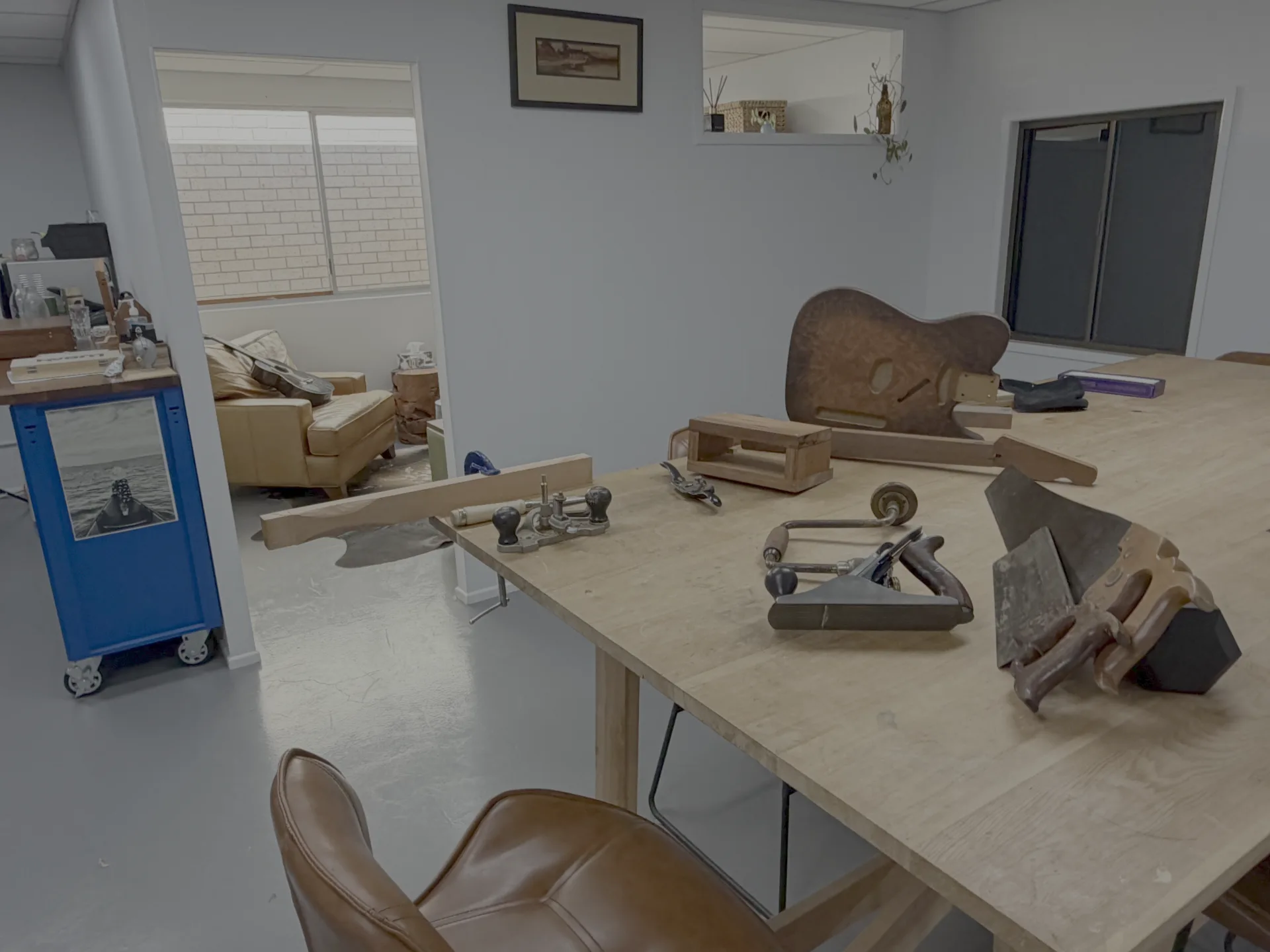
At Timber Therapy, some men may have the option of working on a simple timber project during a session.
This might involve basic tasks using supervised hand tools. The activity is chosen to be manageable and should not demand so much concentration that the conversation becomes impossible.
The purpose is not to teach advanced woodworking.
The project provides:
- Something practical to focus on
- A natural way to reduce sustained eye contact
- Space for pauses
- A sense of movement and progress
- A less clinical environment
- Another way to engage in the session
The format should support the therapy, not distract from it.
The woodwork is not the therapy
It is important to make this distinction.
Making something from timber may be enjoyable, calming or satisfying, but simply completing a project does not automatically address the reason someone booked an appointment.
The therapeutic work still involves understanding what is happening.
That might mean looking at:
- Why the same argument keeps repeating
- What happens just before anger takes over
- Why someone shuts down under pressure
- The beliefs driving a difficult decision
- How work stress is affecting family life
- Patterns of avoidance
- The impact of injury or unemployment
- The kind of father, husband or man someone wants to be
- What needs to change outside the session
The timber project creates a setting in which this work can happen.
It is not a replacement for evidence-based therapy, professional assessment or a clear treatment direction.
Therapy should still be practical
Whether a session happens at a workbench or in a counselling room, it should lead somewhere.
The goal is not to fill an hour with conversation and then return to the same patterns without understanding what happened.
Practical therapy may involve helping a man:
- Notice pressure before it becomes anger
- Understand why he withdraws from difficult conversations
- Communicate without attacking or becoming defensive
- Prepare for a conversation with his partner
- Identify the thoughts keeping him stuck
- Make a decision based on his values
- Develop a plan for handling stress
- Rebuild trust after conflict
- Become more deliberate in his parenting
- Respond differently when things do not go to plan
Talking helps bring the problem into view.
The next step is working out what to do with it.
Making something can also reveal useful patterns
A practical task can sometimes show patterns that are already present in the rest of someone's life.
A man may become frustrated when something does not work immediately. He may rush, avoid asking for help or become highly critical of himself after a small mistake.
He may feel that everything needs to be done perfectly.
He may also discover that he is more patient than he expected, or that slowing down helps him solve the problem more effectively.
These moments can create useful conversations.
For example:
- What happens when you make a mistake?
- How do you speak to yourself when something goes wrong?
- Do you usually ask for help or keep struggling alone?
- What tells you that something has to be perfect?
- Where else in your life does this reaction appear?
- What changes when you slow down?
The project becomes a practical example of a larger pattern.
The goal is not to overanalyse every action. It is to notice what may be useful and connect it to life outside the workshop.
What kinds of problems can be discussed?
Hands-on therapy is not limited to one type of issue.
Men may attend Timber Therapy because of:
- Relationship conflict
- Stress and burnout
- Anger or irritability
- Fatherhood pressure
- Workplace difficulties
- Injury or changes in physical capacity
- Loss of confidence
- Separation
- Identity and direction
- Low mood
- Anxiety
- Difficulty communicating
- Feeling disconnected from family
- Major life changes
A man does not need to arrive with a diagnosis.
He may only know that he is becoming someone he does not want to be, or that the way he is managing pressure is no longer working.
That is enough to begin.
Is hands-on therapy suitable for everyone?
No.
Some men find an activity distracting and would rather focus entirely on the conversation. Others may have physical limitations or simply have no interest in woodworking.
There are also times when it may be more appropriate to sit in the counselling room, particularly when a conversation requires close attention or the activity would interfere with the work.
The decision should depend on the person, the issue and what is most likely to make the session useful.
Timber Therapy is not based on the belief that all men need to be given a hammer before they can speak.
It is based on the belief that therapy should not be limited to one type of room or one style of conversation.
A different environment for men's therapy
Timber Therapy provides face-to-face men's therapy from a private workshop and counselling space in Stafford on Brisbane's northside.
The environment is deliberately practical and less clinical, but the purpose remains professional therapeutic work.
You may choose to sit and talk.
You may find it easier to begin beside a workbench.
Either way, the focus is on helping you understand what is driving the pressure, identify what needs to change and develop a way forward that works in real life.
The setting is different.
The conversation still matters.
You do not need to be good with tools, know anything about timber or have the perfect words prepared. You only need a place to begin. Book a face-to-face session at Timber Therapy in Stafford, Brisbane North, or start with a no-cost 15-minute call if you are not sure whether the hands-on setting will suit you.