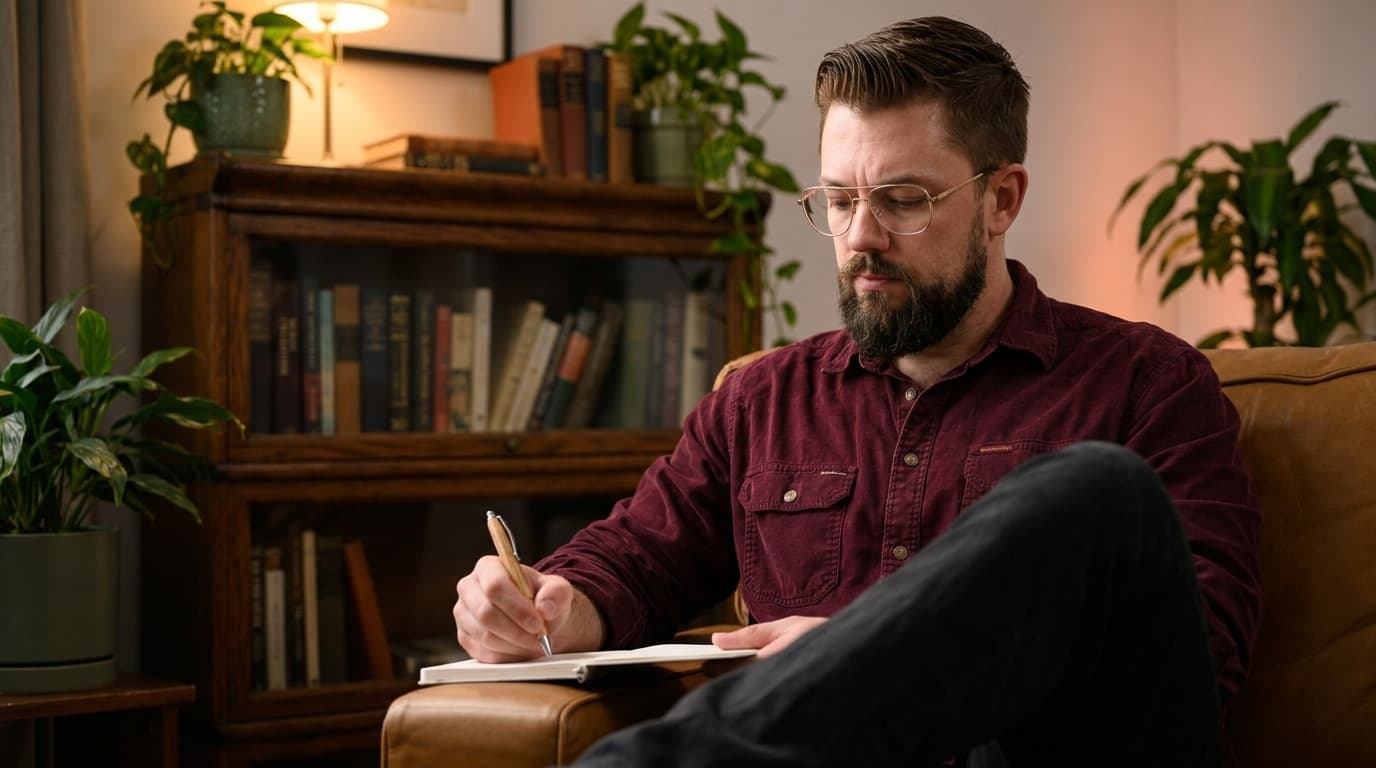
AboutMatthew Lewin
Accredited Social Worker · Therapist · Husband · Father
Why Timber Therapy Exists
Through my work with men, fathers, couples and families, I've seen that many people aren't looking for endless talking. They're looking for practical strategies and a way forward.
My Approach
Finding the Path Forward
Inherent Strengths
I believe that most people already have strengths, values and goals worth moving toward. Sometimes stress, life experiences, relationship challenges, or major life events can make it difficult to see the path forward.
Practical Strategies
My role is not to tell people how to live their lives. It is to help them understand what's happening, identify what needs to change, and develop practical strategies that support meaningful change in everyday life.
Evidence-Based
My work draws on evidence-based approaches including Acceptance and Commitment Therapy (ACT), Cognitive Behavioural Therapy (CBT), Solution Focused Brief Therapy (SFBT), developmental and relational frameworks, and trauma-informed practice.
Areas of Practice
Who I Work With
Whether you're seeking support as an individual or as a couple, my approach remains practical, collaborative, and focused on creating meaningful change in everyday life.
Men's Therapy
I primarily work with men navigating relationship challenges, stress, burnout, life transitions, and the demands of work and family life.
Explore Men's TherapyCouples Therapy
I also work with couples who want to improve communication, reduce conflict, rebuild connection, and strengthen their relationship.
Explore Couples TherapyThe Origin Story
Why the
Timber?
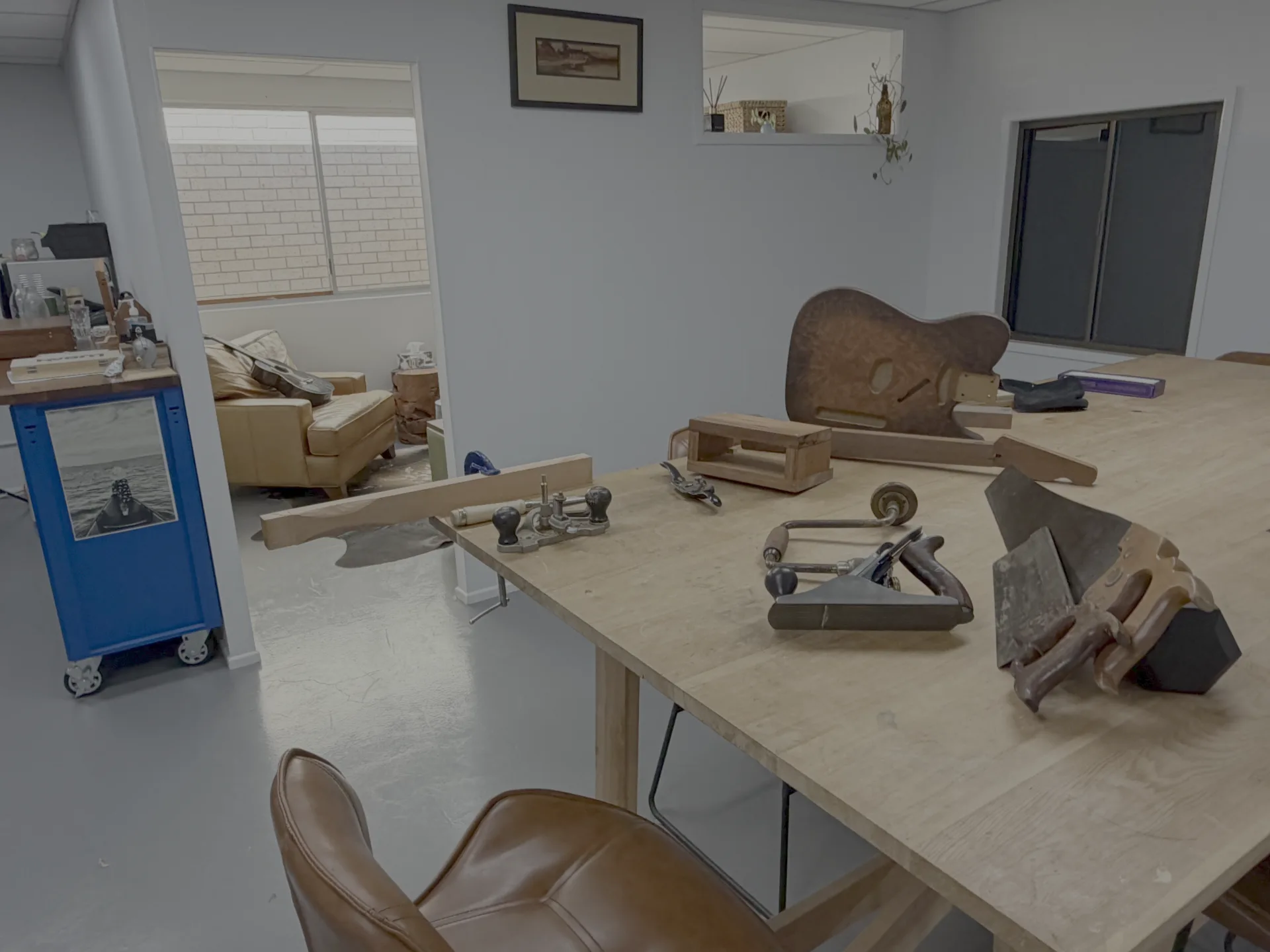
Sawdust has run in my veins since I was born. My father, a French polisher, made much of the furniture in our home.
Some of my earliest memories are of sitting on his workbench watching him create, restore and finish timber pieces. The conversations, feelings and memories from his shed have stayed with me ever since.
When I became a tradesman myself, I loved the hands-on work and physical effort that each day brought. Later, when I left the trades to travel the world and eventually move into social work, I returned a different person but with the same appreciation for working with timber.
For years I wondered whether woodworking and social work could exist together. When an opportunity arose to incorporate woodworking as an engagement strategy, I was ready to try it. After six months, I had proof that it could help people engage differently, but I still wasn't ready to take the leap into private practice.
A few years later, that opportunity arrived again. This time I took it.
Over time, I realised the timber wasn't the therapy. It was creating an environment where conversations felt more natural, pressure was reduced, and people could engage in a way that worked for them. That idea became the foundation of Timber Therapy and continues to shape the way I work today.